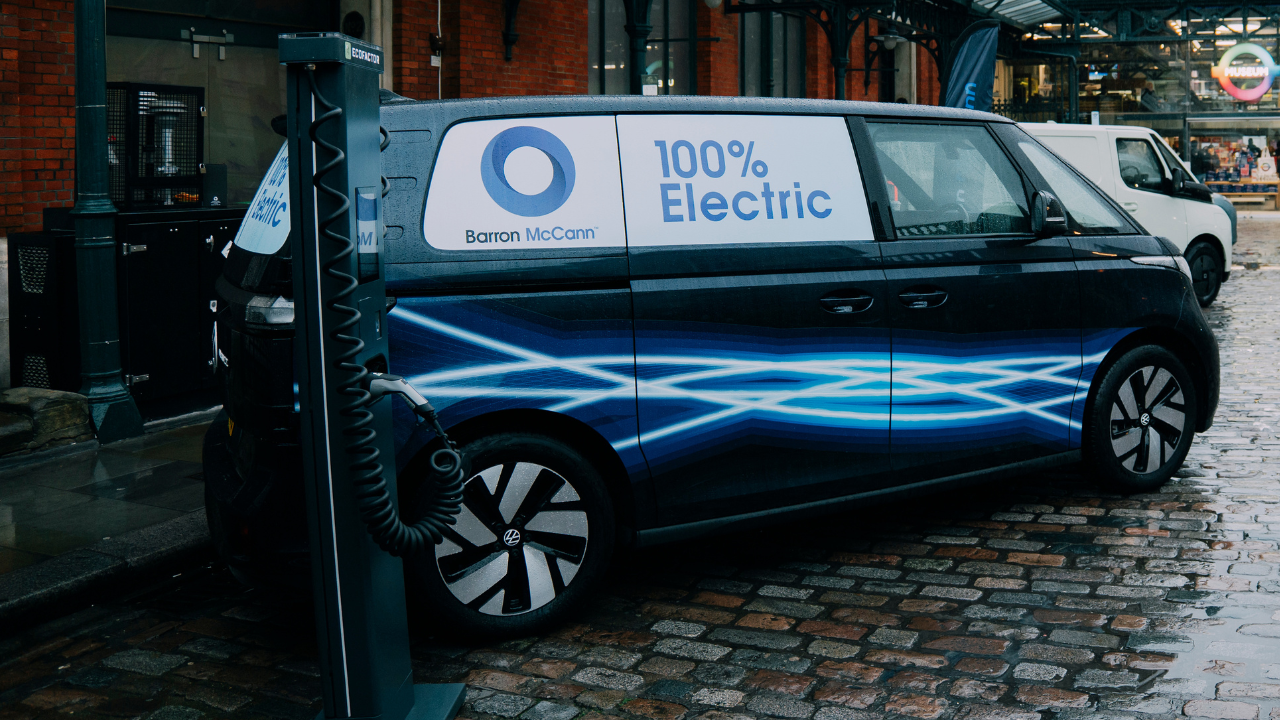
As EV adoption continues to grow across the UK, more businesses are investing in EV charging solutions to support employees, customers and fleet operations. EV charging reliability remains a challenge for many businesses, with research showing that 62% of workplaces and nearly half of commercial fleets experience moderate to severe network issues. For CIOs, CTOs, operations leaders and fleet businesses, EV charging is becoming a critical operational service that must remain reliable, available and properly maintained to support business activities.
1.EV Charging Downtime Is Becoming a Business Risk
The impact of charger downtime extends far beyond a single charging bay. As businesses become more dependent on EVs, unavailable charging infrastructure can affect employee productivity, customer satisfaction and fleet performance. For CIOs and CTOs, repeated outages can undermine confidence in technology investments and create additional pressure on internal support teams. For operations and fleet managers, downtime can disrupt schedules, reduce vehicle availability and make it harder to meet service commitments.
As EV charging becomes increasingly embedded in daily operations, businesses need EV charging solutions that keep charging infrastructure available whenever it is needed. This requires reliable maintenance, specialist support and rapid issue resolution to minimise disruption and keep operations running smoothly. This helps CIOs, CTOs and operational leaders maintain service continuity, improve user confidence and maximise the value of their EV charging investment.
2. Reactive Maintenance Is No Longer Sustainable
Many businesses still approach EV charging maintenance as a break fix process. But in 2026, that model is becoming increasingly difficult to manage at scale. A failed charger no longer affects just one user. It can disrupt employee productivity, create a poor customer experience, reduce fleet availability and increase the burden on intern. This is particularly important for charge point manufacturers, software and management companies and businesses managing large charging estates, where charger performance directly impacts customer satisfaction, service delivery and contractual service commitments.
- Reactive maintenance often leads to:
- Emergency engineer callouts
- Higher repair costs
- Inconsistent SLA performance
- Increased pressure on facilities and IT teams
Businesses are increasingly looking for EV charging solutions that combine maintenance, monitoring and nationwide engineering support. The challenge is often made worse by reactive support models where faults are only addressed after problems are reported. At Barron McCann, our 24/7 service desk helps businesses with ongoing monitoring and support visibility to identify issues earlier and reduce downtime before it escalates into larger operational disruption.
Also read: Positive response to Barron McCann’s entry into the EV charging industry
3. Scaling EV Charging Across Multiple Sites Is Becoming More Complex
Installing a few chargers at one location is very different from managing EV charging infrastructure across a national estate. As businesses scale commercial EV charging, operational complexity increases quickly. Different locations often have varying charging demands, infrastructure requirements and maintenance needs, making consistency across the network harder to achieve. For businesses and fleet operators, common challenges include:
- Managing charger uptime across multiple sites
- Tracking maintenance activity and recurring faults
- Supporting mixed hardware environments
- Maintaining consistent service levels across regions
As charging networks grow, end-to-end support becomes increasingly important. Businesses are increasingly investing in EV charging solutions that support the entire lifecycle, from design and installation through to maintenance, monitoring and ongoing operational support. This helps simplify management, improve reliability and ensure charging infrastructure can scale effectively alongside business growth.
Read more on our EV Charging Solutions.
4. Grid Connectivity and Infrastructure Limitations
As EV adoption continues to accelerate, many businesses are discovering that installing additional chargers is only part of the challenge. Growing demand from fleet vehicles, employees and customers can place significant pressure on existing site infrastructure, with power availability and grid capacity often becoming barriers to expansion. For businesses operating across multiple locations, these constraints can delay rollout programmes, limit charging capacity and make future expansion more difficult.
The solution starts with careful planning. By assessing site capacity, future charging demand and infrastructure requirements early, businesses can identify potential constraints before they become costly issues. Modern EV charging solutions, including smart charging and load balancing, can help maximise existing power capacity, enabling businesses to scale their EV charging infrastructure more efficiently while supporting future growth.
5. Finding the Right EV Charging Support Partner
As EV charging infrastructure becomes a long-term business investment, selecting the right support partner is becoming an increasingly important procurement decision. Focusing solely on installation or cost can overlook factors that have a significant impact on long-term performance, including nationwide engineering coverage, manufacturer independence, service desk availability, reporting and lifecycle support. For businesses managing multiple locations, choosing the wrong partner can lead to inconsistent service, increased downtime and higher operational costs.
Businesses should look for EV charging solutions providers that can manage the entire lifecycle of their EV charging infrastructure, from installation through to maintenance, monitoring and ongoing support. Taking a long-term approach helps improve charger reliability, reduce operational risk and ensure charging networks can continue to scale alongside business growth.
Also read: 5 Reasons Why Businesses Need 24/7 EV Charging Support
Building a More Resilient EV Charging Strategy
EV charging is no longer simply an infrastructure project. For many businesses, it has become part of day-to-day operations, supporting employees, customers and increasingly electrified fleets. As charging estates continue to grow, businesses that invest in proactive maintenance, nationwide support and long-term operational resilience will be better placed to minimise downtime, simplify management and maximise the return on their EV charging investment.
Whether you’re expanding charging across multiple locations or looking to improve the reliability of an existing network, having the right support strategy in place will become increasingly important as EV adoption continues to accelerate. Discover how Barron McCann’s end-to-end EV charging solutions help businesses design, deploy, maintain and support reliable EV charging infrastructure across multiple locations.
Talk to our team